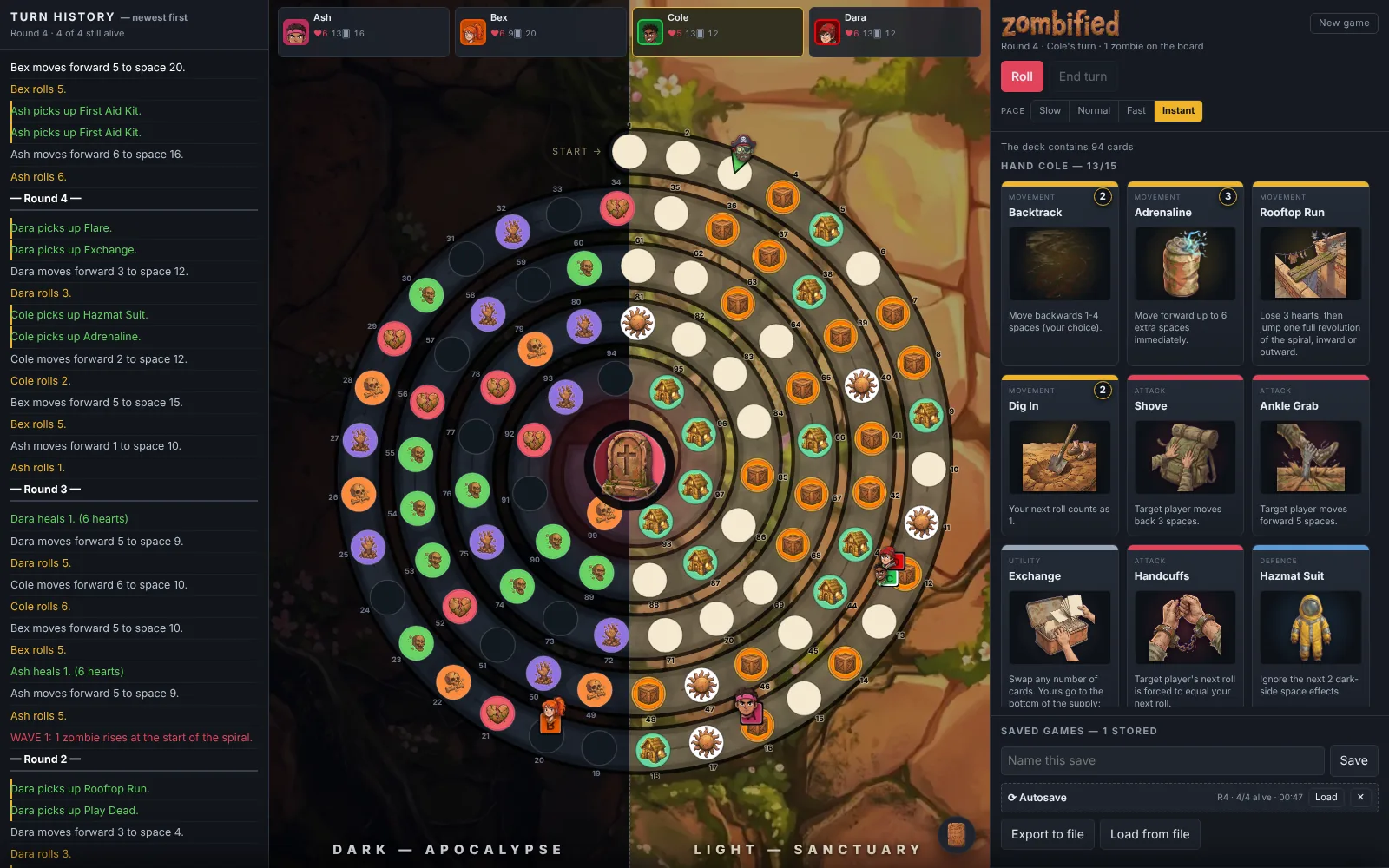
A last-survivor-standing board game where you run down a spiral away from a zombie horde, knowing the Grave is waiting at the centre. You can play it in your browser now, while the physical game is on its way.
Original idea by Judah Larkum. Game development, production and artwork by Pete Bond, with the artwork made using AI tools.
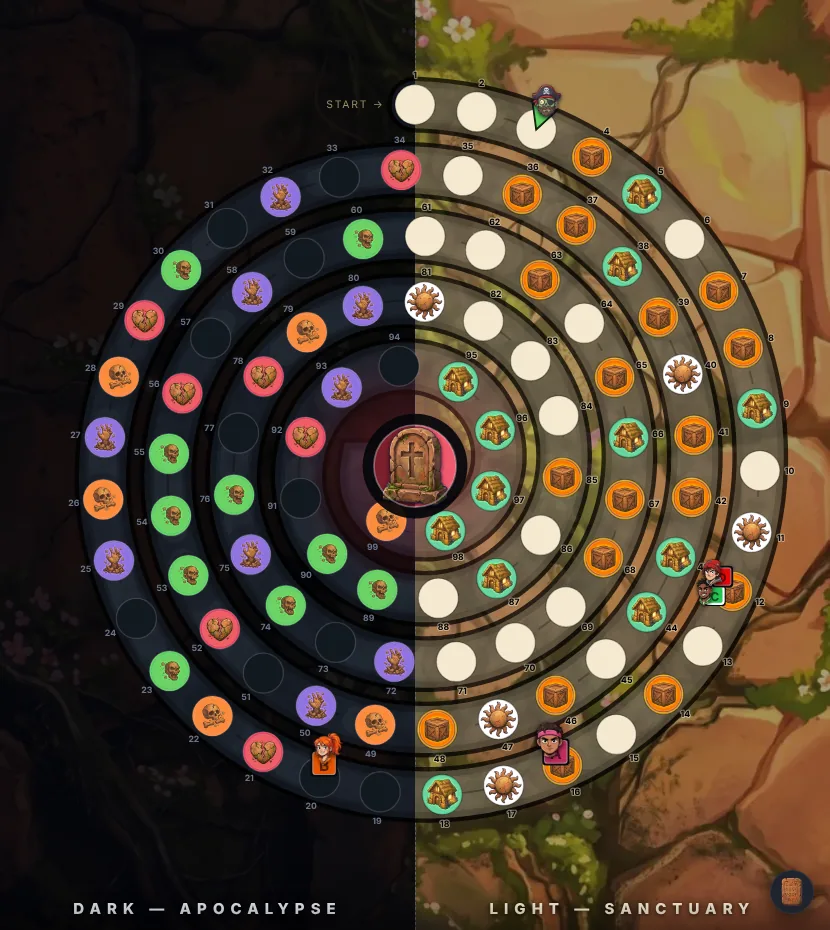
The only way out is forward, and forward leads to the Grave
Each turn you roll and move clockwise down a 100-space spiral. Zombies follow from behind and only ever move forward, so the only escape is deeper in, towards the Grave at the centre. Lose all your hearts or land in the Grave and you’re out, and the last survivor standing wins.
The board is split down the middle. The light half has supplies, safehouses and daylight that stuns the dead, while the dark half has outbreaks, frenzies and ambushes. Cards let you heal, dodge, put down a zombie or shove a rival into trouble, and the table talk chat leaves plenty of room for deals and betrayal.
Ways to play
One survivor and one life across ten runs. Your hearts and best cards carry over, and each run brings stronger, faster zombies, on Normal, Tricky or Impossible.
Two to six survivors can share a screen, play across the internet, or mix the two, with computer players filling any empty seats.
Blood and Rust, Tomorrow’s Dead and Reverse Gear each swap cards in and out, so the same board plays very differently.
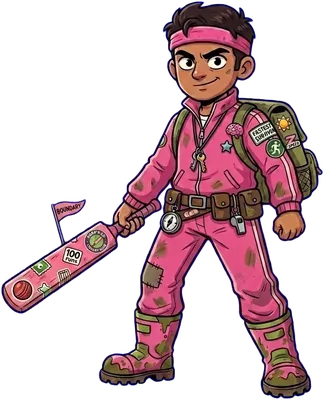
Eight survivors, more than 50 cards and a board for every run
I made every illustration with AI image tools, then cleaned, cropped and placed each one by hand so the set looks like it belongs together.
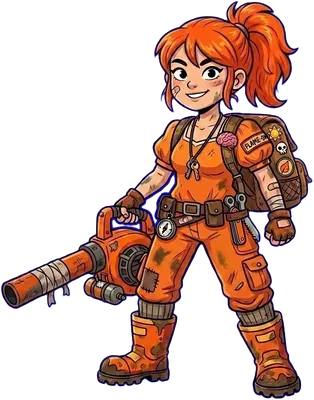
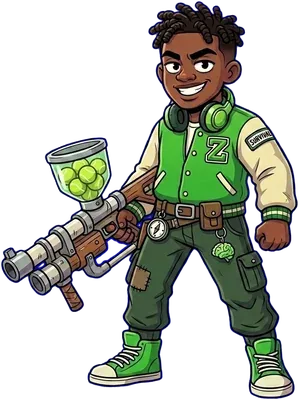
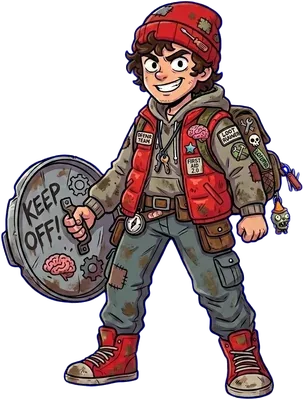
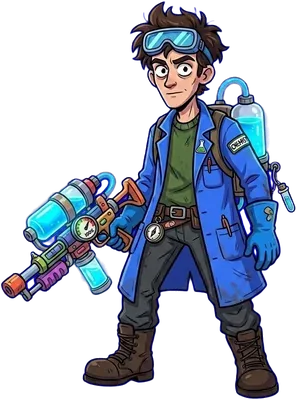
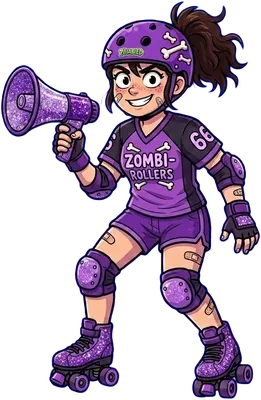
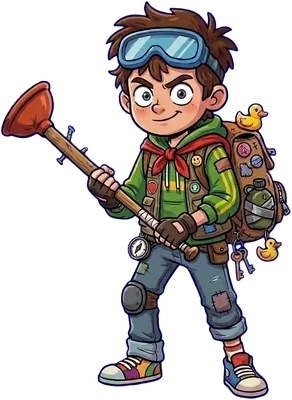
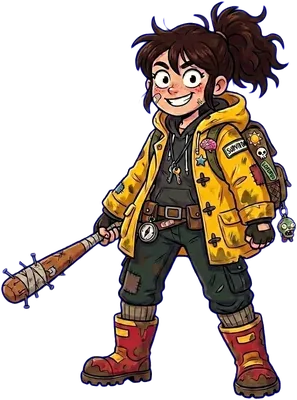

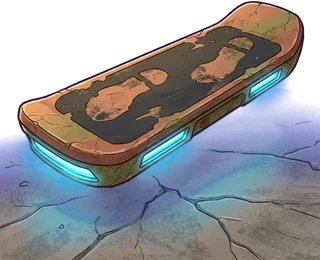
Each card has its own picture, and each of the ten campaign runs has its own board background, so a long campaign keeps changing as you go.
The game has a dark Apocalypse theme and a light Sanctuary theme, and the board itself is split the same way.
A rule can be complicated for the computer, as long as players can follow it on screen
Moving from cardboard to the browser meant the computer could keep track of things a table never could. Every new rule had to pass one test: can a player see what happened and why?
The online server loads exactly the same rules as the local game, so a balance change reaches both at once.
A simulation harness played the game over and over to tune it to around 23 rounds, with deaths split roughly evenly between the zombies and the Grave. Real games will now test those numbers.
The server only ever sends each player their own hand, so nobody can peek at a rival’s cards from the browser.
The multiplayer server has no outside dependencies, and an end-to-end test plays games over real network connections.